
The difference between a yard and a landscape is intention.
There’s a moment that happens in a great garden. You step into it and something shifts. You can’t always say what; it just feels different from the place you were standing thirty seconds ago. The light, the air, the sound, the weight of your feet on the path. Something in the design has reached past your eyes and gone somewhere deeper.
That feeling is the residue of design decisions, made by people who have learned the unspoken rules.
These rules don’t appear in catalogues. They don’t show up on Pinterest boards. They aren’t taught in weekend gardening classes. They get internalised over years of walking great landscapes, building bad ones, redesigning them, watching how people actually move and feel and pause. We’ve collected eighteen of them here, grouped into six families, in the order we tend to think about them on a new project.
Read it as a checklist if you like. Read it as a manifesto if you want. Either way, the next garden you walk into will feel different.
Shaping space
Outdoor rooms
The foundational concept.
Every area in your landscape should have a clear purpose. A place to cook. A place to read. A place to gather. A place to be alone. Once you’ve defined the purpose, you define the space physically with “walls” (hedges, planting, screens), “floors” (paving, gravel, lawn), and “ceilings” (canopy, pergola, open sky). Purpose comes first, structure follows. Without both, outdoor space is just leftover space between the house and the fence.
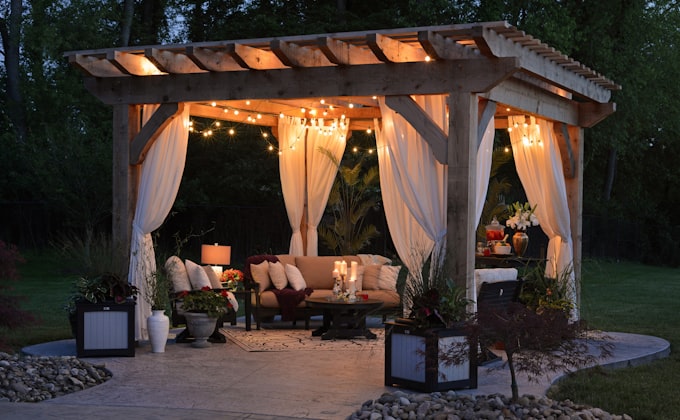
If you can’t name the room, it isn’t one yet.
Threshold moments
The psychology of arrival.
Passing through something signals transition. A gate. An arbor. A narrowing of hedges. A material change underfoot. Each one tells the body a new room is starting. Without thresholds, spaces blur into one undifferentiated zone instead of a sequence of experiences.
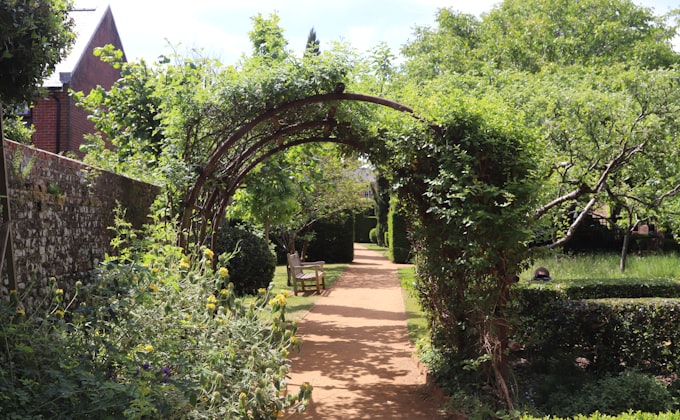
Every great room deserves a doorway.
Tension and release
Compression in spatial sequence.
Compress visitors through a narrow, enclosed passage, then release them into openness. That contrast creates an emotional response people feel deeply but can’t articulate. It’s the same principle that makes cathedral naves powerful. The squeeze before the soar. The tighter the compression, the bigger the exhale.
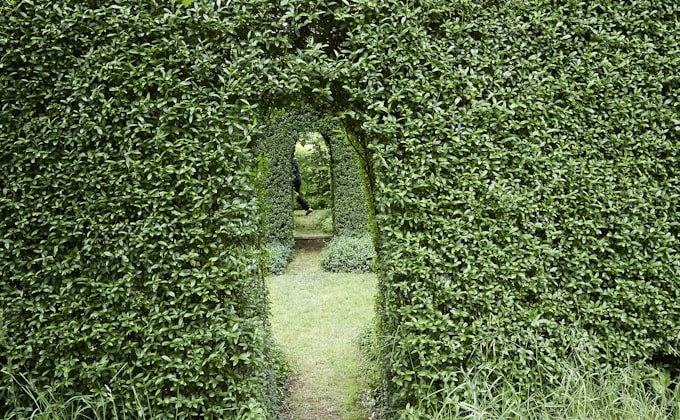
Narrow the path before the payoff.
Choreographing movement
Desire paths
Follow the footprints.
Watch where people actually walk. The worn trails through grass, the shortcuts cut across lawn, the places where the formal path gets ignored. Design around those natural movement patterns rather than imposing geometry. Fighting desire lines is a losing battle and a missed opportunity to let human behaviour inform the layout.
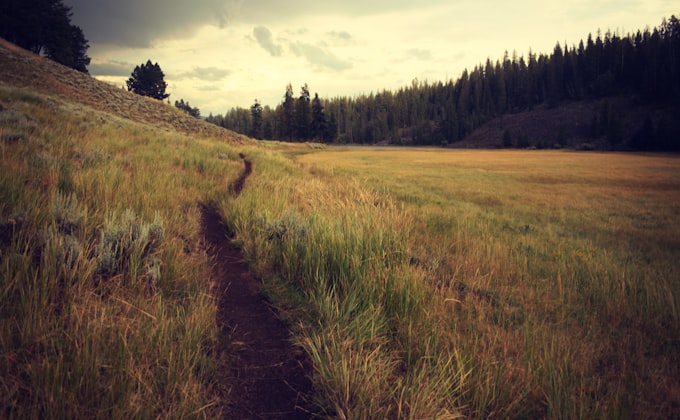
The path is already there. You just haven’t paved it yet.
The mystery of the bend
Never reveal everything.
A curving path. A partially hidden area. A glimpse through a gap in the hedge. The unseen is more compelling than the seen. When the entire garden is visible at once, the brain is satisfied instantly and stops engaging. Concealment creates curiosity, and curiosity is what pulls people deeper into a space.
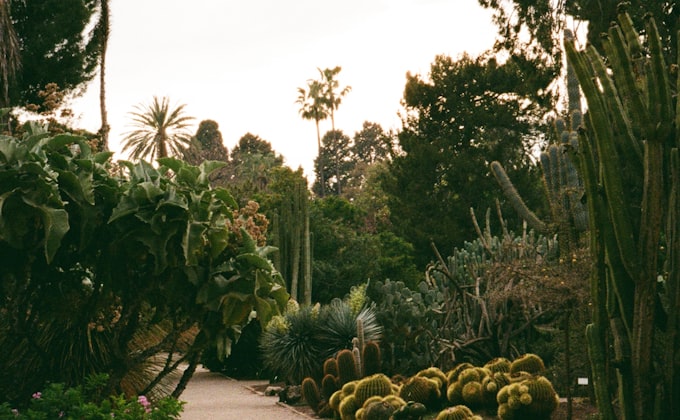
Show half. Let them imagine the rest.
Arrival denial
The long way round.
The best gardens and estates don’t let you arrive directly. They route you past the destination, give you a glimpse, take it away, then finally deliver you. This builds anticipation and makes arrival feel earned. A straight line to the front door is the least interesting solution to the problem of getting people to the front door.
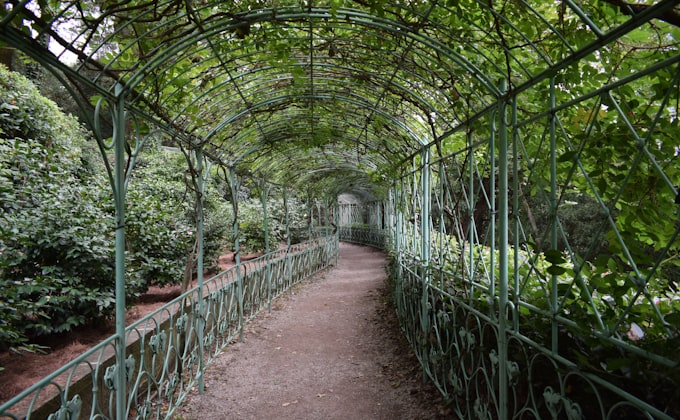
Make them want it before they get it.
Haptic transitions
Designing for feet.
Changing what’s underfoot communicates through your body. Flagstone to gravel. Gravel to turf. Turf to wood. Gravel slows you down. Smooth stone speeds you up. Material shifts signal boundaries and pace changes without a single sign. You’re designing for the soles, not just the eyes, and the body reads it before the brain does.
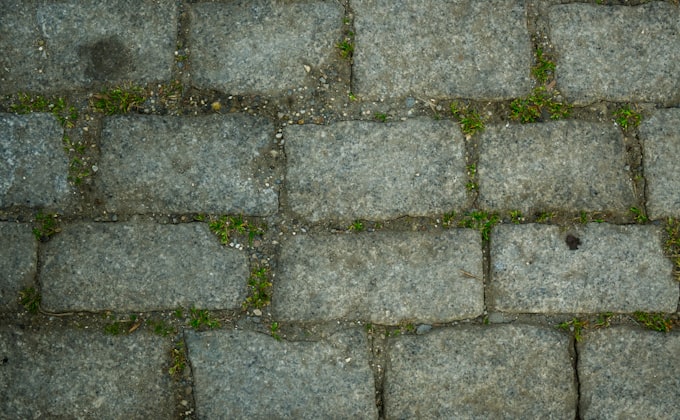
Your feet read the landscape before your brain does.
The senses beyond sight
Sound design
Scoring the experience.
A landscape has an acoustic signature. Ornamental grasses rustling in wind. Water trickling at a precise volume to mask traffic noise. Gravel crunching underfoot. These are deliberate design choices, not happy accidents. The best designers compose a soundscape, not just a picture, and the result is a place you remember with your ears as much as your eyes.

Close your eyes. Can you still feel the garden?
Night architecture
Designing with shadow.
Most people light a landscape to see. Experts light to create shadow. Uplighting a tree is really about the branching shadow it throws on the wall behind it. The interplay of light and dark is what makes a nighttime garden feel magical rather than merely illuminated.
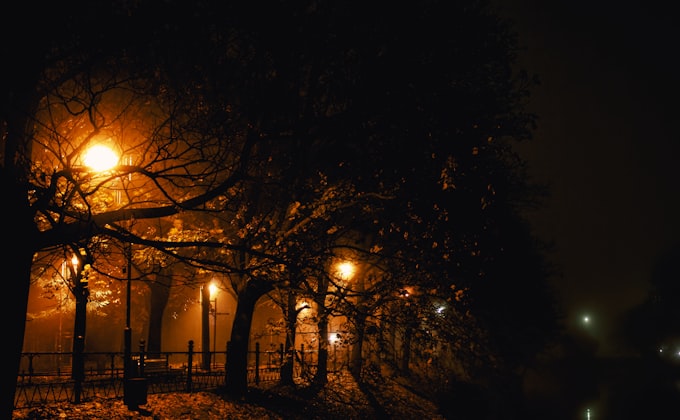
The shadows are the art. The lights are just the brush.
Composition and restraint
Borrowed scenery
Shakkei, 借景.
A Japanese concept where you intentionally frame distant views as part of your design. A mountain. A neighbour’s beautiful tree. A church steeple. Strategic framing with plants or structures “captures” a view you don’t own. Your garden becomes larger than your property. The eye doesn’t know where your boundary ends.
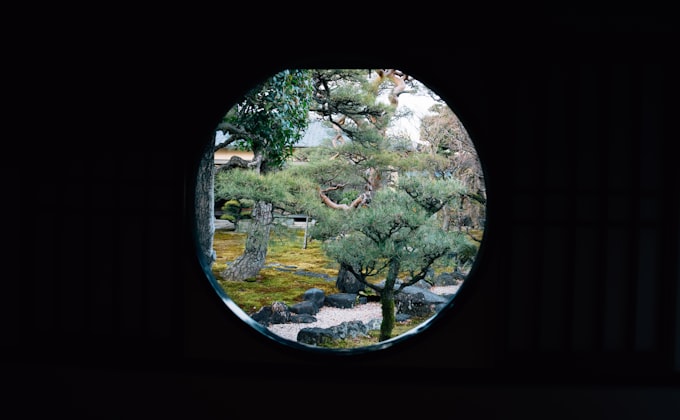
You don’t have to own the view to design with it.
Focal point terminus
Land the eye intentionally.
Every sight line should end on something deliberate. A specimen tree, a bench, a vessel, a piece of sculpture. If your eye travels down a path and lands on an air conditioner unit or a bare fence, the composition fails. Great landscapes leave nothing to chance at the end of a view.
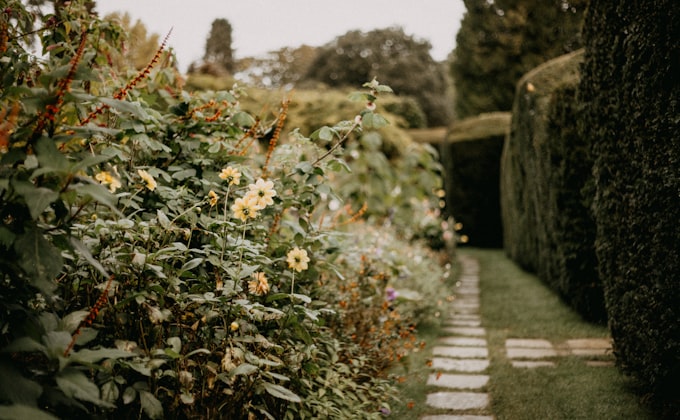
Follow every sight line. Where does it land?
Negative space as protagonist
The power of nothing.
Just as in painting or music, what you leave out matters most. An empty gravel plane. A single tree in open lawn. A deliberately bare wall. Restraint creates power. The amateur instinct is to fill every corner. The expert instinct is to ask, “what can I remove?”

Emptiness, used well, is emphasis.
Plant in drifts, not specimens
Escaping the botanical zoo.
Instead of one of this, one of that, repeat the same plant in flowing masses. This is how natural plant communities work, and it creates cohesion and calm that collecting never achieves. The difference between “busy” and “lush” is almost always repetition and rhythm.

One plant repeated twenty times beats twenty plants used once.
Honest materials only
The faux is always obvious.
Real stone. Real timber. Real steel. Real brick. Always. Composite decking, fake stone veneer, plastic edging, and artificial turf announce themselves instantly. Not on day one, but by year two when they fade, warp, and age gracelessly. Genuine materials develop character over time. Faux materials just deteriorate. The cost difference is smaller than you think; the dignity difference is enormous.
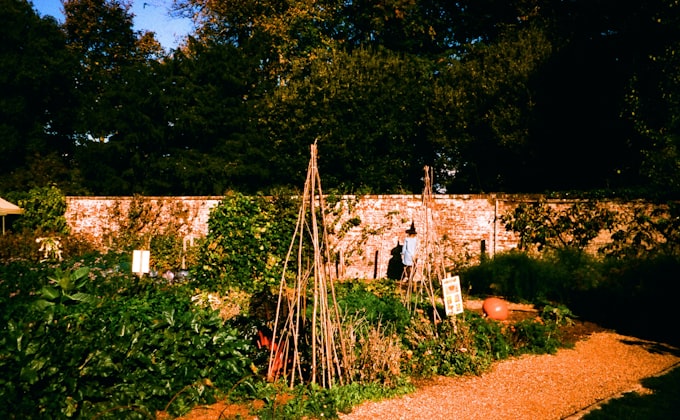
If the material is pretending to be something else, it’s already failed.
Designing in time
Seasonal choreography
The year-round stage.
Design so something is performing in every season. Winter bark and structure. Spring bloom. Summer texture. Autumn fire. The real skill is sequencing so the garden is never “off”. A landscape that only works in June is a landscape that fails eleven months a year.
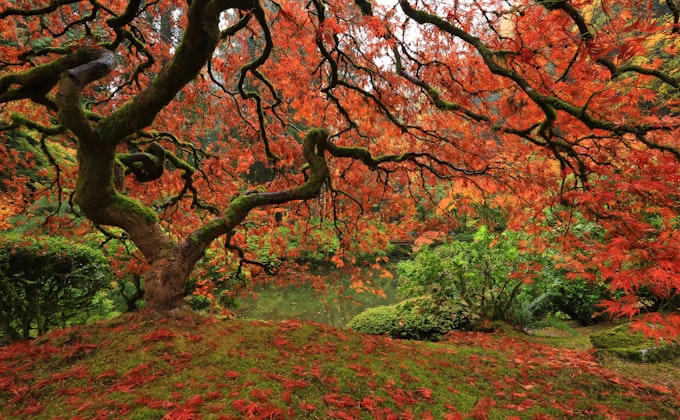
A garden should have no off-season.
Designing for decay and patina
The fourth dimension.
Great landscapes anticipate how materials age. Corten steel rusts beautifully. Copper turns green. Moss colonises stone. Amateurs want everything to look new forever. Experts choose materials that become more beautiful with time, and design for that trajectory from day one.
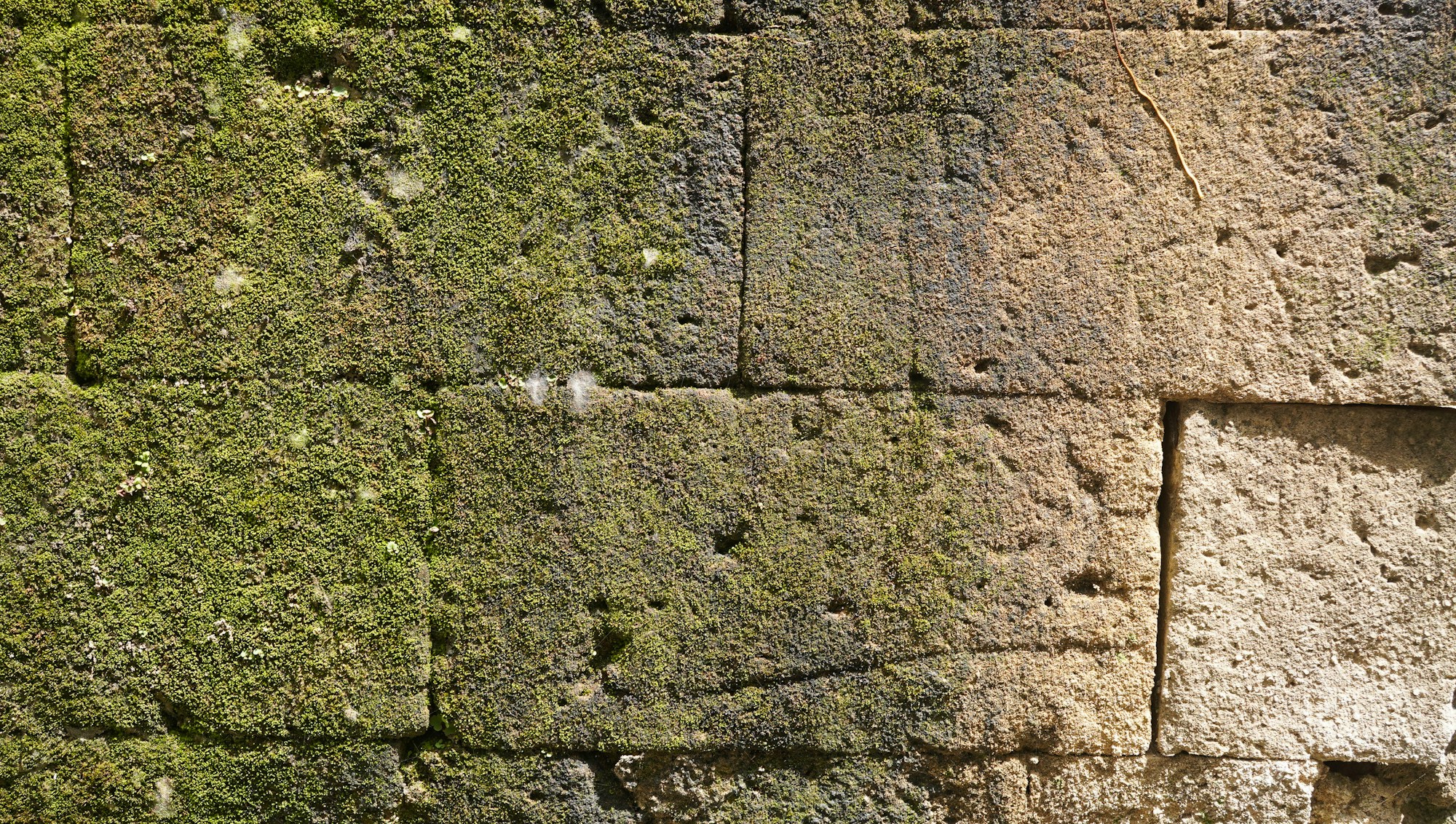
Design for year twenty, not day one.
Working with nature
Right plant, right place
Stop fighting your site.
Instead of amending soil, irrigating constantly, and battling nature, choose plants that want to live where you’re putting them. This single principle eliminates most maintenance headaches and produces landscapes that look effortless because they essentially are.
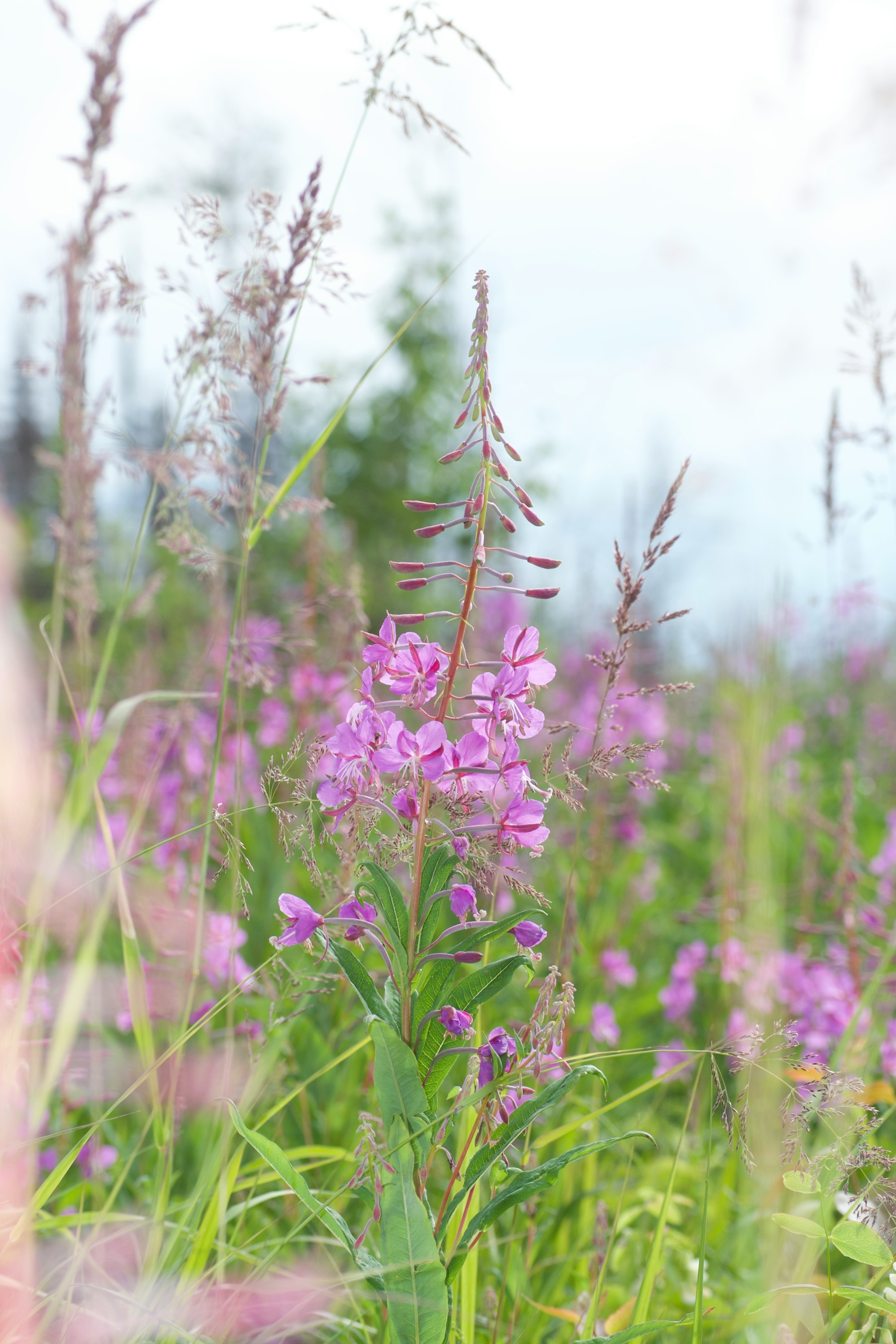
The best gardens don’t fight the land. They listen to it.
Vertical layering
Think like a forest.
Most amateur landscapes work in one plane: the ground. Professionals think in canopy, understory, shrub, herbaceous, and ground cover layers, the way a forest naturally stacks. This creates fullness, biodiversity, and year-round interest even in a tiny garden.
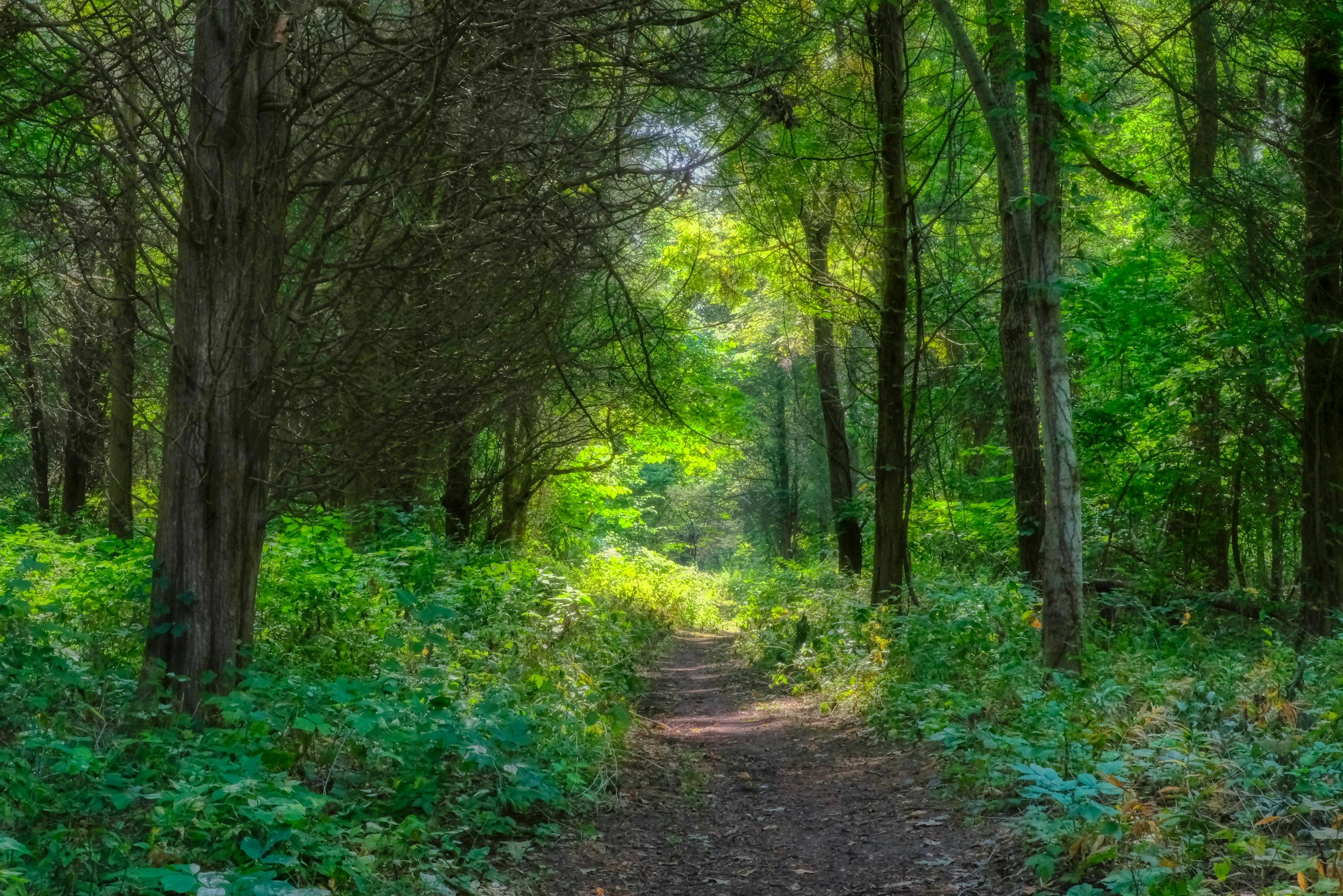
Five layers is richer than five hundred plants on one level.
One last thing
None of these are rules in the strict sense. They’re habits of attention. The way we read a site, season after season, on every project we take on.
A landscape is the considered sequence of spaces your family will live in for the next twenty years. Get the sequence right, and the rest follows. That sequencing is the heart of how we approach landscape design.